
Modern solar photovoltaic installations require robust infrastructure to manage electricity flow effectively. These systems rely on specialized enclosures to house critical components, ensuring safety and efficiency during operation. For facilities integrating large-scale renewable resources, the physical housing of battery modules serves as a foundational element of the overall power architecture.
Functional Requirements for Storage Infrastructure
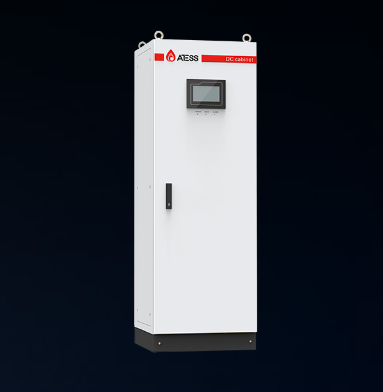
Effective management of generated power depends on the quality of hardware used. A battery cabinet provides the necessary climate control and mechanical protection for lithium-ion cells. By maintaining stable operating conditions, these units extend the operational lifespan of the internal energy storage components. When developers deploy these units, they focus on thermal regulation and environmental sealing to prevent degradation.
Integration within a site requires careful planning of electrical layouts. An energy storage cabinet acts as the central hub where power conversion and chemical storage converge. Engineering teams must ensure that these enclosures allow for adequate airflow and provide easy access for maintenance activities. Proper cabinet design minimizes voltage drop and heat accumulation, which are common challenges in high-density power arrays.
Deployment Considerations for Power Systems
Project efficiency remains a priority for installers working with solar PV setups. Reliable systems require hardware that meets stringent grid connection standards. Atess provides configurations that address these technical requirements, supporting the stability of the broader electrical network. Their equipment integrates with existing solar infrastructure, allowing for seamless communication between the photovoltaic panels and the storage bank.
Operational longevity often hinges on the selection of durable housing materials. A battery cabinet should feature high-grade steel and corrosion-resistant coatings to withstand external weather conditions. Furthermore, each energy storage cabinet includes integrated safety sensors to monitor internal temperatures and smoke detection. These features ensure that sites remain operational under diverse climate conditions.
Atess incorporates modular design principles into their hardware, which simplifies the installation process for utility-scale projects. By streamlining the physical assembly of energy components, project managers achieve consistent results across different sites. For additional details on these specific configurations, technical staff can review documentation regarding power capacity and physical dimensions to align with site-specific needs.
Proper hardware selection influences the long-term success of renewable energy projects. By prioritizing modular, climate-controlled designs, project managers ensure that solar PV systems operate with high reliability.